
By Ulemu Mbengwani
Water is one of the most valuable natural resources on Earth. The importance of water cannot be overstated because water is essential for human survival, food production, economic development, and environmental sustainability. Every living organism depends on water, making it one of the most critical elements for life. As populations continue to grow and climate challenges increase, understanding the importance of water has become more important than ever.
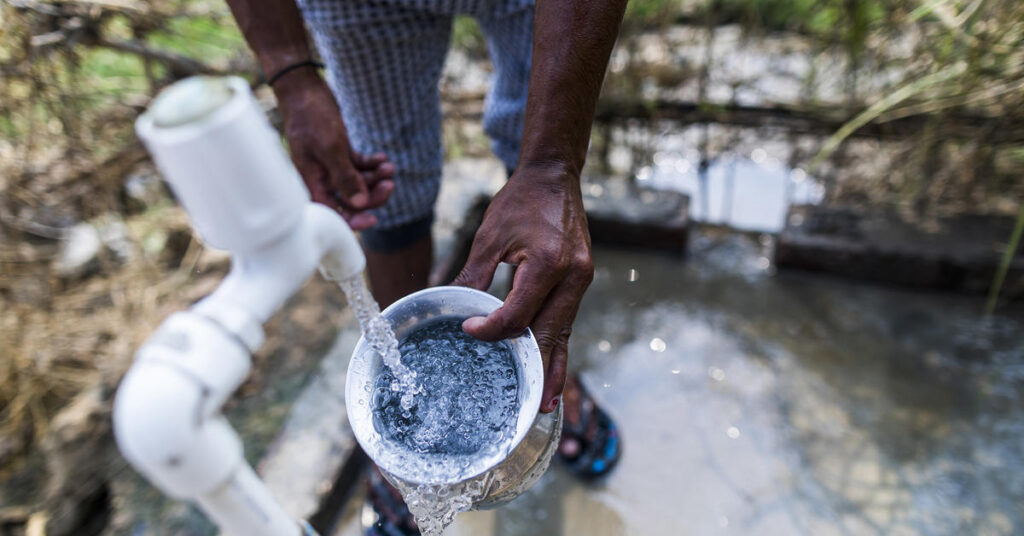
The most fundamental importance of water lies in its role in sustaining human life. The human body requires water to perform vital functions such as regulating body temperature, transporting nutrients, aiding digestion, and removing waste. Drinking clean water daily helps maintain good health and prevents dehydration. Access to safe water also reduces the risk of diseases that can result from contaminated water sources. For this reason, ensuring access to clean water remains a priority for communities around the world.
Water is equally important in agriculture and food production. Farmers rely on water to irrigate crops, support livestock, and produce food for growing populations. Without sufficient water, crop yields decline, leading to food shortages and higher food prices. In many developing countries, agriculture is a major source of income, making reliable access to water essential for both food security and economic stability. Effective water management can help farmers improve productivity and build resilience against droughts.
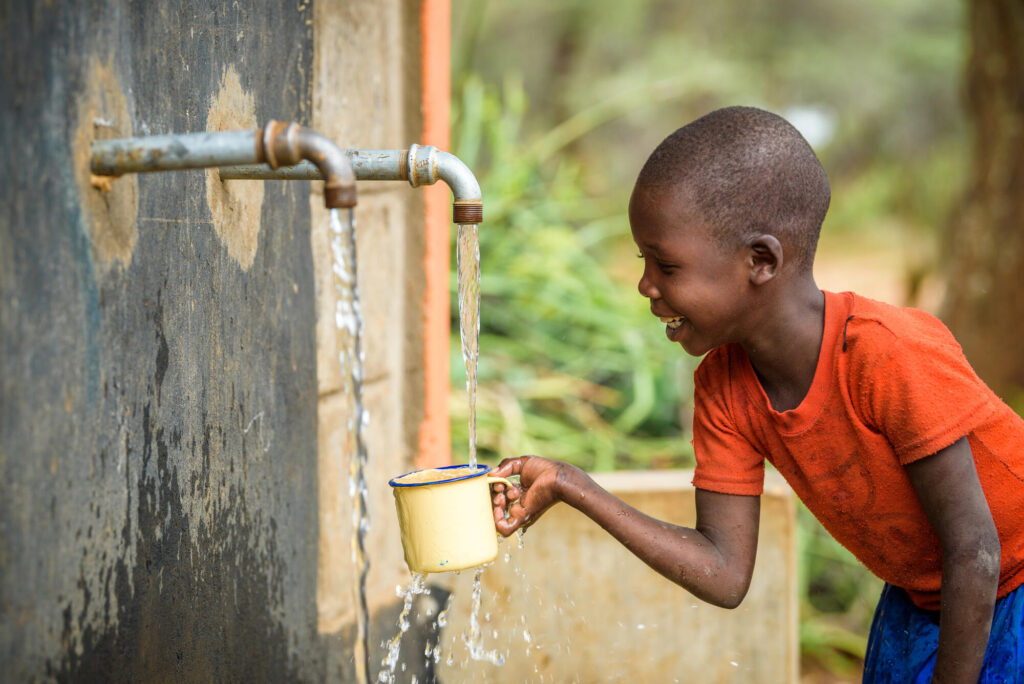
The importance of water extends beyond agriculture into industry and economic growth. Many industries use water in manufacturing, energy production, construction, and processing activities. Businesses require a dependable water supply to operate efficiently and maintain productivity. Water also supports sectors such as tourism, transportation, and fisheries, all of which contribute significantly to national economies. A shortage of water can disrupt these activities and slow economic development.
Water plays a crucial role in protecting the environment. Rivers, lakes, wetlands, and oceans depend on healthy water systems to sustain diverse ecosystems. Clean water provides habitats for plants and animals while supporting biodiversity. Water also helps regulate natural processes and maintains ecological balance. When water sources become polluted or depleted, ecosystems can be severely damaged, affecting both wildlife and human communities that depend on these natural resources.
The social importance of water is equally significant. Access to clean water improves sanitation, hygiene, and overall quality of life. Communities with reliable water supplies often experience better health outcomes and increased educational opportunities. In many rural areas, people spend considerable time collecting water from distant sources. Improved access to water allows families to focus on education, employment, and other productive activities that contribute to development.
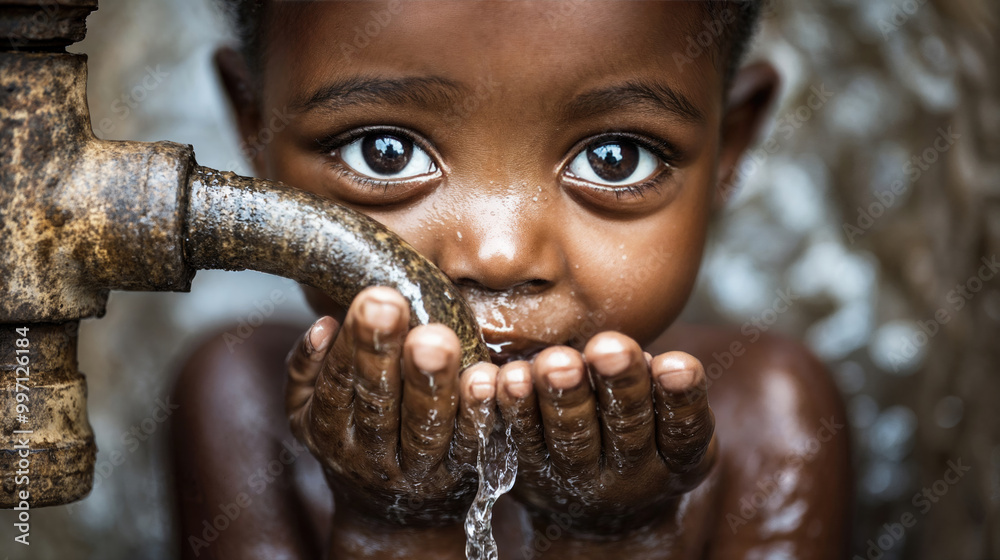
Despite its importance, water faces numerous challenges, including pollution, climate change, deforestation, and population growth. Protecting water resources requires responsible water use, conservation efforts, and investments in sustainable water infrastructure. Governments, organizations, and individuals all have a role to play in safeguarding water for future generations.
In conclusion, water is the foundation of life and development. The importance of water can be seen in its impact on health, agriculture, industry, society, and the environment. By protecting and conserving water resources, we can ensure that future generations continue to benefit from the many advantages that water provides.
Click HERE to learn more.